The history of beauty in France is rich with icons who have managed to embody elegance and charm in their time. From the alluring Joséphine de Beauharnais, Empress of the French, who set the tone in European courts with her sophisticated style, to the captivating Brigitte Bardot, a symbol of 60s glamour, these figures have left a lasting impression. Their influence extends far beyond the borders of France, inspiring generations with their allure and approach to fashion. With each decade, new faces emerge, reflecting cultural evolutions and the aesthetic ideals of the moment.
The Evolution of French Beauty: From Timeless Icons to Contemporary Trends
Since prehistoric times, the representation of feminine beauty has revolved around the notion of fertility, a vital element for the survival and perpetuation of the species. The Venus of Willendorf, with its generous forms, is a major archaeological testament to this. This statuette, now housed in the Natural History Museum of Vienna, symbolizes a beauty ideal deeply rooted in its time, where robustness was synonymous with prosperity and health.
With the advent of Antiquity, beauty standards evolved. Youth and natural beauty are now celebrated. Figures like Nefertiti embody this ideal with timeless grace. The bust of the Egyptian queen, displayed at the Egyptian Museum in Berlin, remains an essential reference, illustrating the subtlety with which the ephemeral nature of youth is captured and idealized.
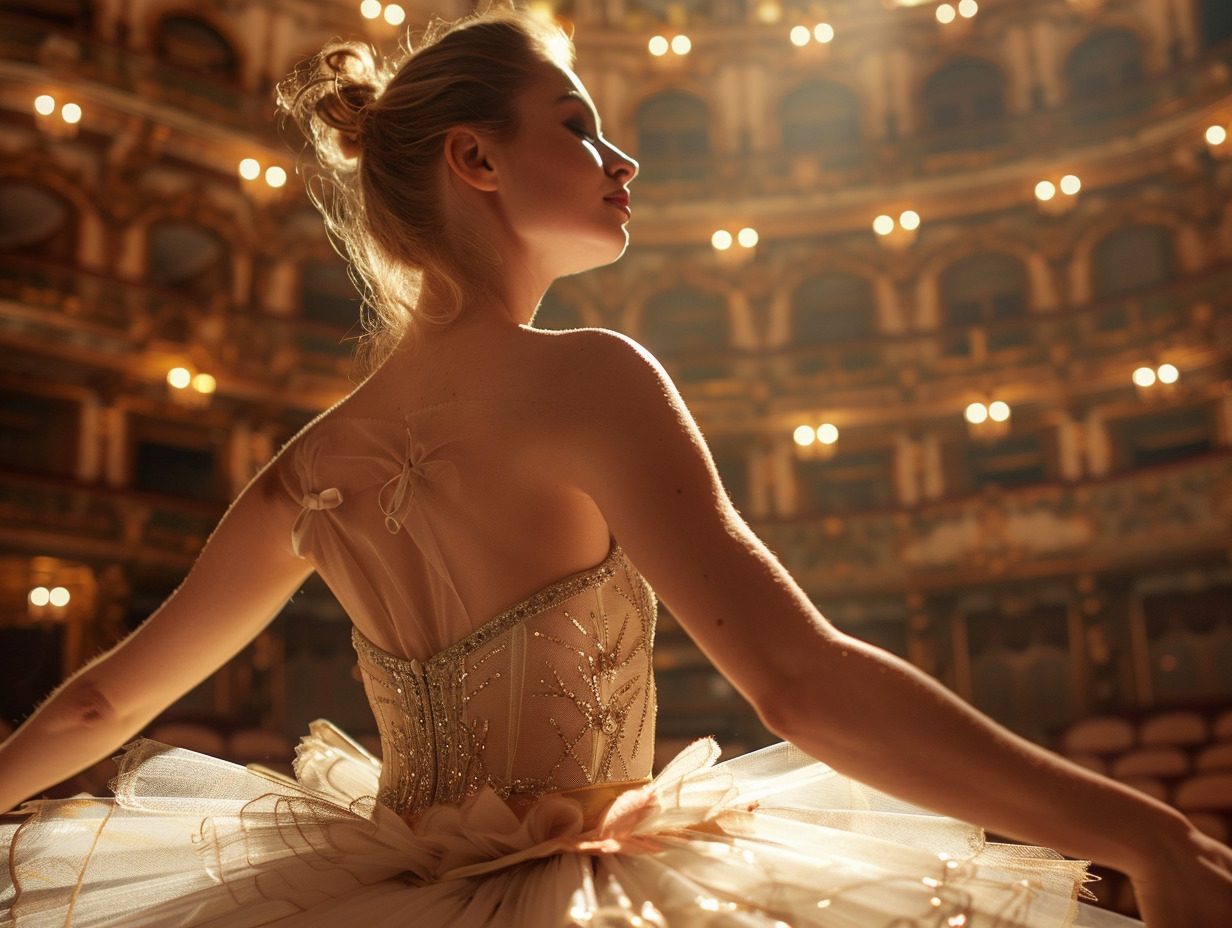
As we traverse the ages, each period reveals its own aesthetic criteria, from the blondness and pale complexion of the Middle Ages to the quest for naturalness and the enhancement of hair during the Enlightenment. Modernity has seen the emergence of icons such as Marilyn Monroe, who redefined the beauty ideal with her tan and voluptuous allure, heralding the era of the modern woman and the flourishing cosmetics industry. In this context, Betul Yilmazturk, a contemporary actress of this evolution, embodies the diversity and complexity of today’s beauty ideals, reflecting both tradition and innovation in the expression of French charm.
The Representation of French Beauty in Culture and Media Through the Centuries
In French art, the representation of beauty has always been a vector of ideals and societal values. The Venus of Willendorf, dating back to 25000 B.C. and displayed at the Natural History Museum of Vienna, marks one of the earliest expressions of feminine beauty, celebrating fertility as a fundamental virtue. Then, Antiquity presents another face of beauty with the bust of Nefertiti, a masterpiece of the Egyptian Museum in Berlin, which glorifies eternal youth and natural beauty. These works, witnesses of their time, inscribe in marble and clay the aesthetic canons of an era.
Over the centuries, the French collective imagination has been enriched by emblematic figures such as the Venus de Milo, housed in the Louvre, which embodies the idealized beauty of the Renaissance. This Greek sculpture illustrates the transition from a beauty primarily linked to reproduction to a celebration of femininity and the beauty canon of the classical period. Subsequently, the media, particularly print media with renowned titles such as Vogue, as well as fashion, with houses like Chanel, have continued to shape and disseminate these ideals, adapting them to the currents and mentalities of each century.
In an era marked by globalization and the rise of social networks, the media play a predominant role in the dissemination of beauty standards. French beauty, with its reputation for chic and natural elegance, remains at the heart of a constantly evolving industry, where image and media representation profoundly influence the perception of current aesthetic canons. Consider the diversification of beauty faces in advertising, the rise of influencers, and the inclusive representation of all forms of beauty: each of these aspects testifies to the ongoing evolution of the concept of beauty within French culture.