Brittany is not just about its crêpes and alignments of menhirs. This region in the west of France has a history spanning several millennia, a living language experiencing a revival, and cultural practices that continue to evolve today. Discovering Brittany means understanding how a territory shaped by Celts, dukes, and sailors has built an identity that its inhabitants continue to reinvent.
Breton Language: A Concrete Revival in Public Spaces
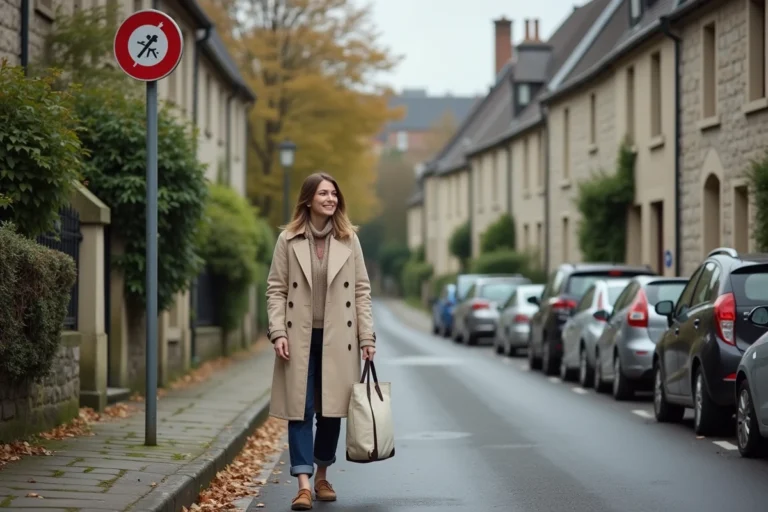
Have you noticed bilingual road signs while crossing Finistère or Morbihan? This French-Breton bilingual signage is multiplying, including in medium-sized towns like Vannes, Saint-Brieuc, or Quimperlé, where Breton had little visibility just a few years ago.
This movement accelerated after the debates surrounding the Molac law in 2021. This law strengthened the legal framework for regional languages in France. In its wake, bilingual and immersive programs have seen their numbers increase, both in the Diwan associative network and in public and private schools under contract.
Breton is no longer confined to the rural municipalities of Finistère. It is displayed in transportation, administrations, and local media. To explore the multiple facets of this regional culture, one can rely on Portail Breton, which gathers resources and news related to the region’s heritage.
Learning a few words of Breton before a stay changes the way one perceives place names. “Plou” means parish, “ker” refers to a village, “mor” means sea. These roots, present everywhere on the map, tell the ancient organization of the territory by themselves.
History of Brittany: From Independent Duchy to Regional Identity
Brittany was a sovereign state for several centuries. The Duchy of Brittany operated with its own institutions, currency, and diplomatic alliances, notably with England and the Holy Roman Empire. The annexation to France dates back to 1532, through a treaty that theoretically guaranteed the maintenance of Breton freedoms.
This political history explains why the sense of regional belonging remains so strong. Bretons have not forgotten that their territory negotiated its integration into the Kingdom of France, rather than simply undergoing annexation. This past still fuels debates about the place of Loire-Atlantique (and Nantes) in historical Brittany, a topic that regularly resurfaces in local news.
Les Champs Libres in Rennes: A Museum Focused on Contemporary Brittany
To understand how this history continues today, the Brittany Museum at Les Champs Libres in Rennes has renewed its permanent and temporary exhibitions, focusing on contemporary Brittany. Migrations, urban cultures, ecological struggles, and the role of women in regional history are addressed without nostalgia.
This museographic choice contrasts with the solely traditional image often associated with the region. Recent exhibitions have focused on social protest in Brittany or youth cultures, showing that Breton identity is also built in the neighborhoods of Rennes or Brest.
Fest-noz and Breton Traditions: Practices Still Alive
The fest-noz is probably the best-known Breton tradition outside the region. This night festival, listed as an intangible cultural heritage by UNESCO, brings together dancers of all ages around music played on the bombarde, biniou, or diatonic accordion.
What makes the fest-noz interesting is that it is not a fixed spectacle. The dances (an dro, hanter dro, gavotte) are learned on the spot, often guided by a neighbor in the chain. There’s no need to master the steps before arriving. The transmission happens in movement, which explains why these evenings also attract a young and urban audience.
Beyond the fest-noz, living Breton culture relies on several pillars:
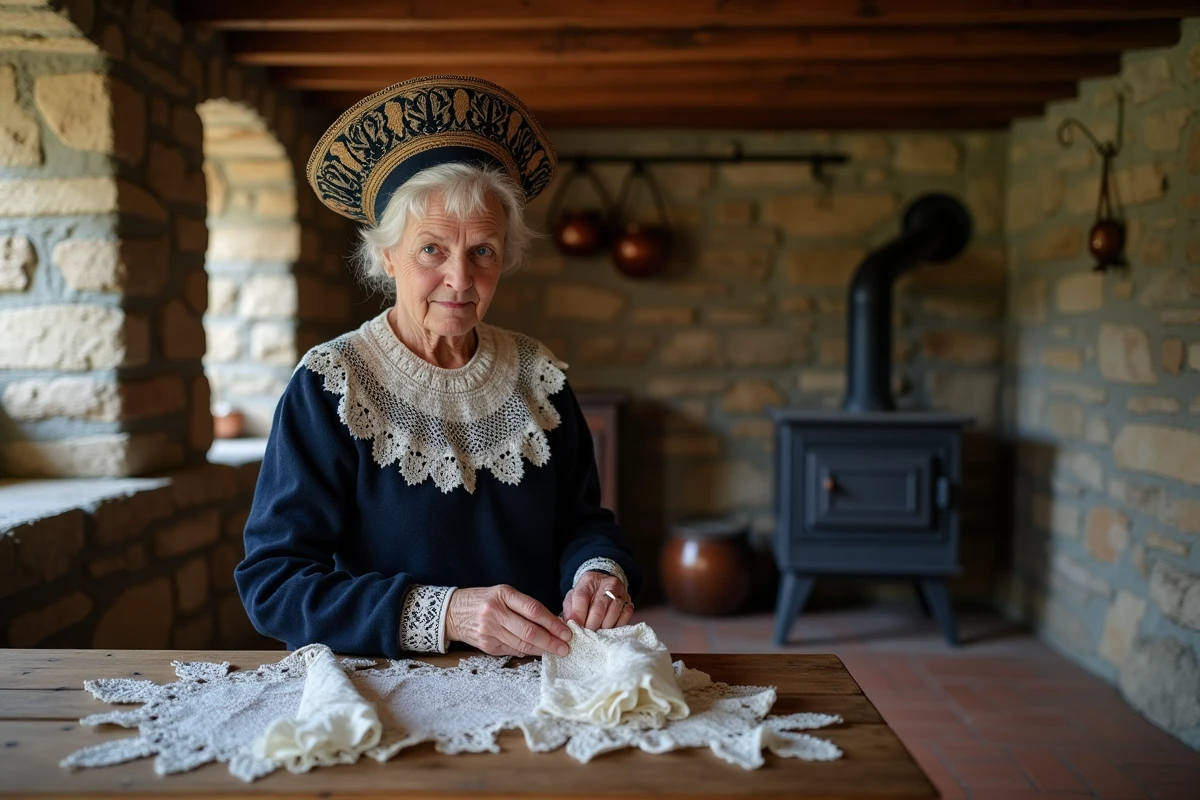
- Pardons, these religious pilgrimages unique to Brittany, combine processions, traditional costumes, and communal meals. The one in Sainte-Anne-d’Auray remains the most frequented.
- Celtic music festivals, such as the one in Lorient (Festival Interceltique), gather musicians from Scotland, Ireland, Galicia, and Wales each summer around a shared heritage.
- Local gastronomy, from kouign-amann to Breton cider and buckwheat galettes, serves as a strong identity marker, passed down through families and artisanal crêperies.
Megalithic Heritage and Coastal Landscapes of Brittany
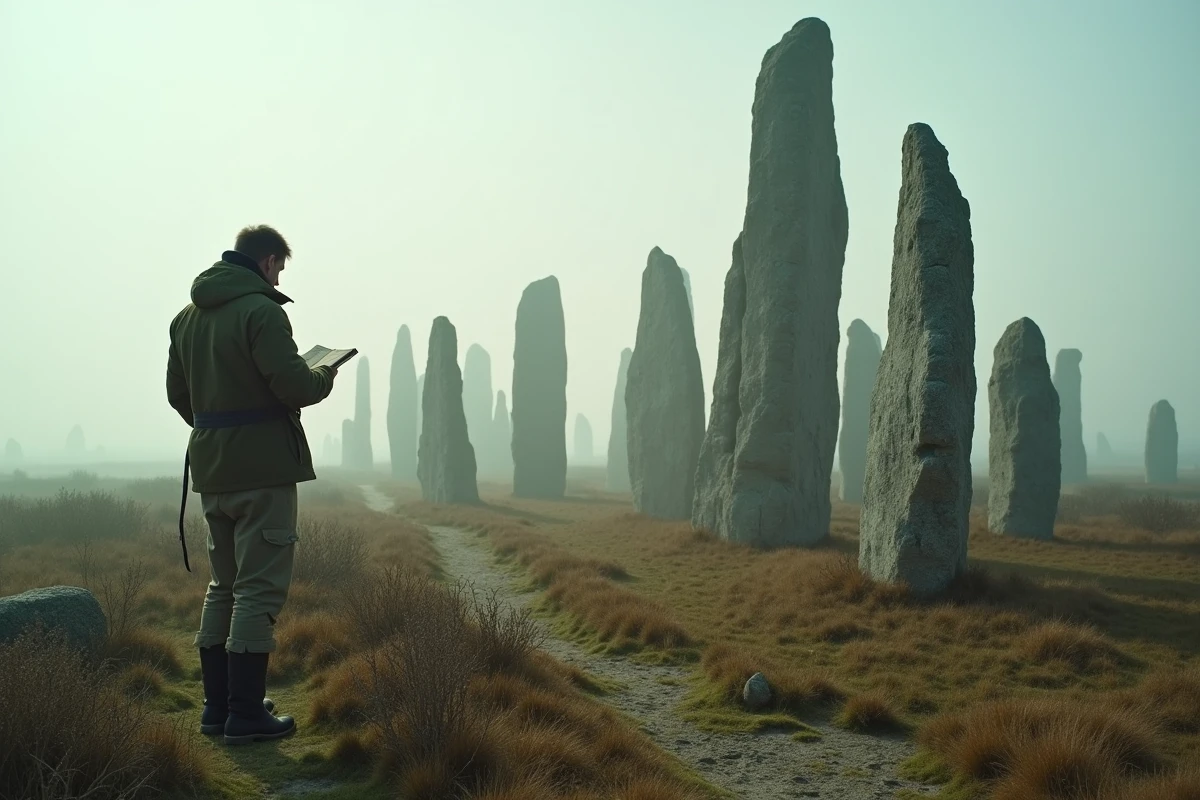
The alignments of Carnac are among the most densely populated megalithic sites in Europe. These thousands of standing stones, predating the pyramids of Egypt, remain partly unexplained. The hypotheses range from astronomical, religious, to territorial functions, with none reaching a consensus.
But Breton heritage is not limited to menhirs. The parish enclosures of Finistère constitute a unique architectural ensemble in France. These complexes group together a church, calvary, ossuary, and triumphal gate within the same enclosed space. Those in Saint-Thégonnec, Guimiliau, or Lampaul-Guimiliau testify to the prosperity of the linen trade in past centuries.
On the coastal side, Brittany’s geological diversity produces landscapes that vary greatly from one coast to another. The Pink Granite Coast, with its rocks sculpted by erosion, is nothing like the cliffs of the Crozon peninsula or the fine sandy beaches of southern Morbihan. Each section of the Breton coastline tells a distinct geological story.
Brittany is one of those regions where heritage is not only preserved in showcases. It dances during a fest-noz, is read on a bilingual sign, and is tasted in a bowl of cider. It is this continuity between past and present that gives Breton culture its strength, far beyond folklore.