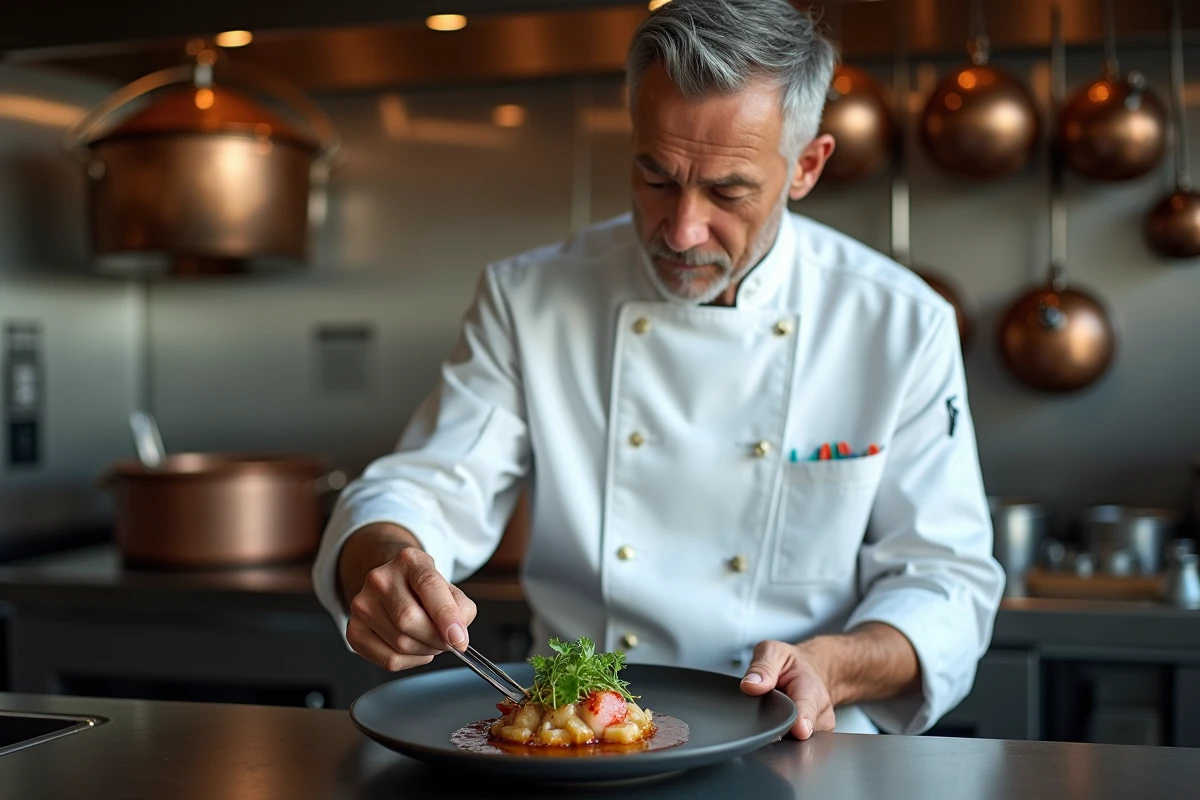
When a restaurant menu is reduced to five dishes because the farmer located a few kilometers away has only delivered three varieties of vegetables this week, we touch on the heart of what gastronomic cuisine produces most sincerely. The menu is no longer decided months in advance: it is built day by day, dictated by what is growing, what is ripening, what arrives in the kitchen that very morning.
This constraint, far from stifling creativity, forces one to work with each product with a precision that gives authentic flavors their true density.
Hyper-local sourcing and micro-seasonality in gastronomic cuisine
There is less and less talk of “short circuit” in ambitious gastronomic kitchens. The term that many chefs use is hyper-local sourcing, sometimes with a single reference farmer located within a few kilometers. This approach profoundly alters the design of menus.
In practical terms, this means that a vegetable available one week can disappear the next. The chef adapts their tasting menu to these micro-seasonalities, making each service different from the previous one. For the customer, it is a culinary experience that cannot be replicated identically.
This logic goes beyond simply displaying a source on the menu. It requires a direct relationship with the producer, regular visits, and the ability to improvise when a harvest is poor or early.
Some establishments have taken the model further by cultivating their own plots, offering only seasonal products from a very limited perimeter. This way, the cuisine of L’Art du Goût is explored from an angle where the terroir truly dictates the plate, without compromise to logistical comfort.
Ancient techniques serving authentic flavors
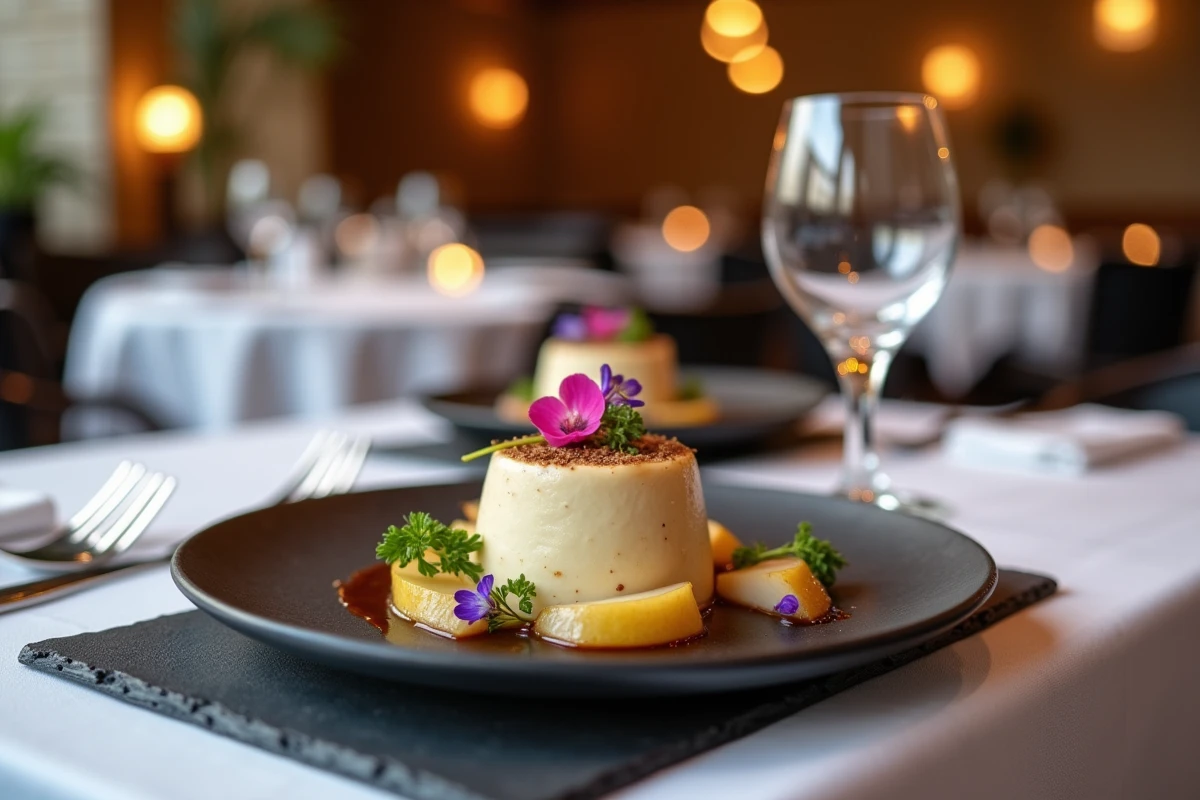
Fermentation, long maturation, gentle smoking, controlled wood fire cooking: these processes are not new, but their return to gastronomy reflects a real technical choice. They are sometimes grouped under the expression “long-time flavor”, which contrasts with quick and standardized preparations.
A concrete example: aging a fish for several days before serving radically transforms its texture and concentrates its flavors. The result is nothing like a fillet cooked to order. This work requires precise know-how (temperature control, humidity) and a level of risk that few collective kitchens can afford.
Fermentation and smoking in the tasting menu
Fermentation, in particular, has established itself as a genuine creative tool. It allows for the development of complex aromatic profiles from simple ingredients (vegetables, grains, fruits). Some chefs incorporate it at every stage of the meal, including in pairings with juices or non-alcoholic beverages.
Gentle smoking adds depth without masking the original product. Applied to root vegetables or butter, it adds a layer of flavor that evokes fire without overwhelming the palate. Here we find an approach to gastronomic cuisine where technique serves taste, not the other way around.
Vegetal gastro menus: a true journey, not a default option
Offering a “vegetarian option” at the end of the menu is a service reflex. Constructing a fully plant-based tasting journey with the same codes as a classic menu (food and drink pairings, crafted juices, fermentations, smokings) is a different culinary commitment.
Several gastronomic restaurants have crossed this threshold. The plant-based menu is no longer a sub-menu: it benefits from the same number of courses, the same care in presentations, and often specific pairings with fermented beverages or elaborate infusions.
- Pressed and reduced vegetable juices replace meat stocks to provide umami and structure to sauces.
- Smoking and maturation techniques, usually reserved for animal proteins, are applied to vegetables to give them depth.
- Lactic fermentations (kimchi, plant-based miso, long pickles) allow for the creation of complex flavors without resorting to animal products.
Feedback varies on this point, but the trend shows that customers who choose the plant-based journey are not necessarily vegetarians. It is often curiosity about a different way of approaching the gastronomic meal that motivates this choice.

Energy sobriety in the kitchen: constraint or lever of creativity
Since the energy crisis of 2022-2023, several gastronomic establishments have revised their energy consumption methods in the kitchen. Optimizing cooking and reducing the use of energy-intensive equipment has become a concrete issue, not just a marketing argument.
Reducing the menu is part of this approach. Fewer dishes mean fewer cooking stations at the same time, less refrigerated storage, and less waste at the end of service. For the chef, it is also an opportunity to focus on a limited number of preparations, worked with greater precision.
Impact on the customer experience
A short menu, when well designed, enhances the perception of quality. The customer understands that each dish has been thoughtfully created, not simply added to broaden the offering. The meal’s framework gains coherence: seasonal products dictate the selection, and each ingredient has its reason for being on the plate.
This approach aligns with the growing demand for transparency about product origins and preparation methods. More and more customers want to know where their food comes from, how it is cooked, and why a particular dish is on the menu rather than another. Restaurateurs who play along find that this transparency fosters loyalty more than a marketing pitch about excellence.
The gastronomic cuisine that establishes itself sustainably is the one that embraces its constraints as choices. A single farmer, a reduced menu, slow techniques, a complete plant-based journey: each decision limits possibilities, but it is precisely in this reduced space that the clearest flavors emerge.