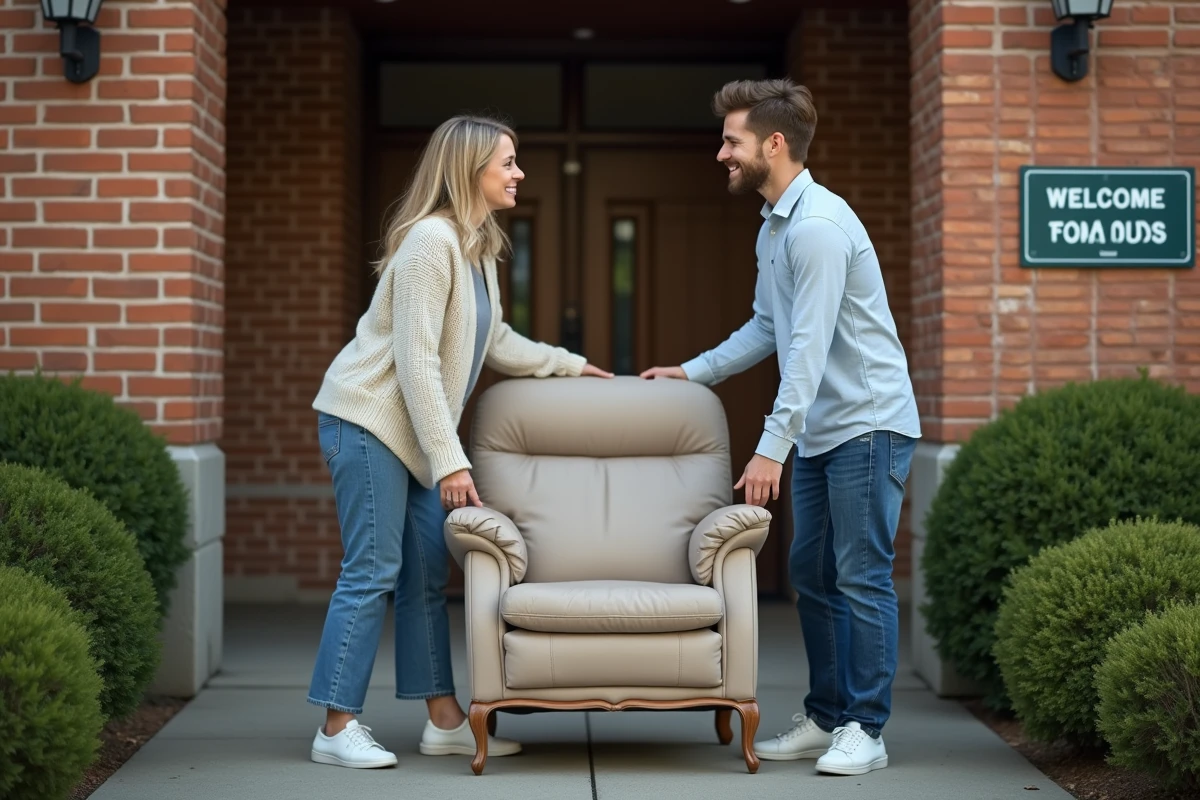
Some associations refuse furniture with even slight signs of wear, while others accept incomplete equipment for repair workshops. A bulky sofa may be accepted in an urban center but rejected in a rural area due to a lack of suitable transportation means.
National networks offer free pickups depending on volume, while local organizations require drop-offs on-site. The choice of recipient and method of transmission depends as much on the nature of the furniture as on the resources of the association. The selection of items, preparation of the donation, and contact require rigorous organization.
Why donating your furniture can truly make a difference
Donating your furniture is not just about getting rid of it. It’s about giving a second life to items, participating in a reuse initiative, and acting against waste proliferation. Charitable associations such as Secours Populaire, Emmaüs, Secours Catholique, or the Red Cross recover, redistribute, or resell these items to fund their support programs. Resource recovery centers and recycling facilities collect, repair, and enhance what would have ended up in the landfill.
This gesture goes far beyond an individual act. It fuels a circular economy that allows people in difficulty to access employment or furnished housing. With each piece of furniture donated, a whole human network comes to life: volunteers for collection, employees in training for restoration, families or isolated individuals who finally find dignified equipment. Ademe emphasizes that donating lightens the burden on public services, reduces waste, and conserves the planet’s resources.
Donating furniture with Mister House also allows you to get concrete information about the procedures with Secours Populaire and act with full knowledge. The associations collect not only furniture but also appliances, toys, or household items. Depending on the capabilities of each organization, the donation adapts to all logistics: pickup, drop-off, sorting; there is always a solution.
Donating furniture means joining a collective movement against exclusion, encouraging recycling, and ensuring that every piece of furniture finds a new use, elsewhere, in another story.
Who to contact? Overview of charitable associations and their methods
In terms of donations, the French associative landscape is rich in diversity. Each organization develops its own collection methods and support. Emmaüs organizes free home pickups for furniture, appliances, clothing, or books, then resells them in its shops to fund integration. The Secours Populaire collects furniture, toys, or household items, which it redistributes at low prices, prioritizing the most vulnerable. The Secours Catholique is also involved in collecting furniture and clothing to assist families in difficulty.
The Red Cross intervenes in emergency situations but also supports vulnerable individuals through donations of furniture or equipment. Resource recovery centers and recycling facilities play a key role: they collect, repair, and resell at low prices while promoting waste reduction and the circular economy. The Envie network specifically targets furniture, appliances, and electronic equipment, which it refurbishes with a focus on integration.
For very specific donations, Ecosystem takes care of electrical and electronic equipment, lamps, and batteries. Ecomaison collects furniture, bedding, and decorative textiles, with a clear recycling logic. Local initiatives also exist: Rejoué, Carijou, or Remise en Jeux, for example, collect toys in certain regions. Sometimes, municipal services provide free pickups by appointment, while specialized companies may intervene under specific conditions.
To better visualize the diversity of options, here are the main associations and their methods:
- Emmaüs: home pickup, integration, shop sales.
- Secours Populaire: collection, redistribution, social assistance.
- Resource recovery centers and recycling facilities: collection, repair, solidarity sales.
- Red Cross: emergency aid, social support.
- Envie network: refurbishment, integration, circular economy.
This wide choice allows each donor to direct their goods to the most suitable organization, depending on the nature of the items, their condition, and the geographical context. It is up to everyone to find the right entry point so that the furniture also finds its new home.
From sorting to handover: how the donation of furniture works in practice
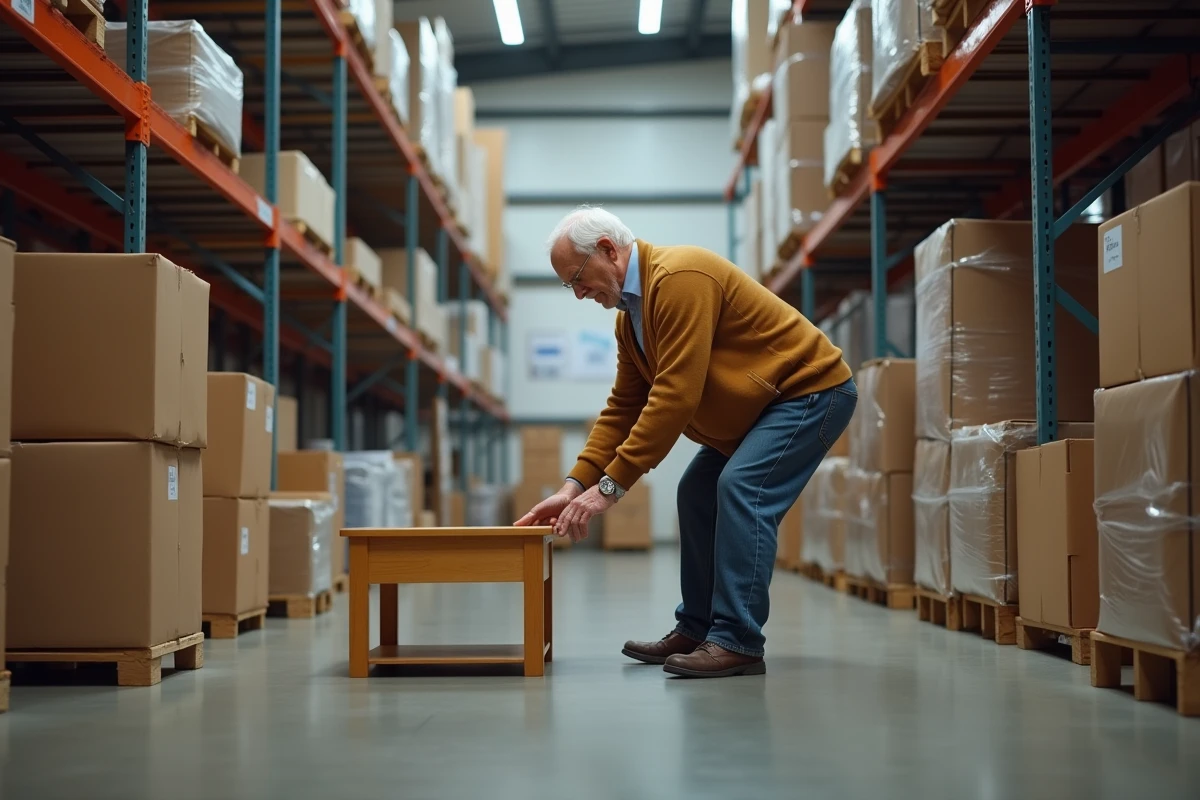
The process always begins with careful sorting. One selects what can still be useful: a clean sofa, a sturdy table, a complete wardrobe. Associations only accept items that can truly be reused, to avoid turning the collection into waste management. This first gesture facilitates the teams’ work and ensures that reuse will occur under good conditions.
After sorting, the next step is to make contact. Depending on the organization, this will involve agreeing on a date for home pickup or bringing the furniture directly to a solidarity location. A simple call or email is usually enough to arrange the pickup: one will specify the nature of the furniture, its condition, and access to the home. Each association deploys its own means, but the goal remains the same: to give a new life to the items.
The handover then takes place in an atmosphere of exchange and mutual aid. The teams, often composed of employees in training or volunteers, take care of the removal, transport, and enhancement of the furniture. A donation receipt is generally provided, which can serve as proof for administrative purposes, particularly for tax declarations.
This journey, from sorting to handover, is part of a logic of waste reduction and concrete solidarity. By donating, everyone actively participates in a virtuous chain: less waste, more mutual aid, and the certainty that the item will get a new start. The piece of furniture that was gathering dust in a corner can quickly become, elsewhere, the centerpiece of a new daily life.