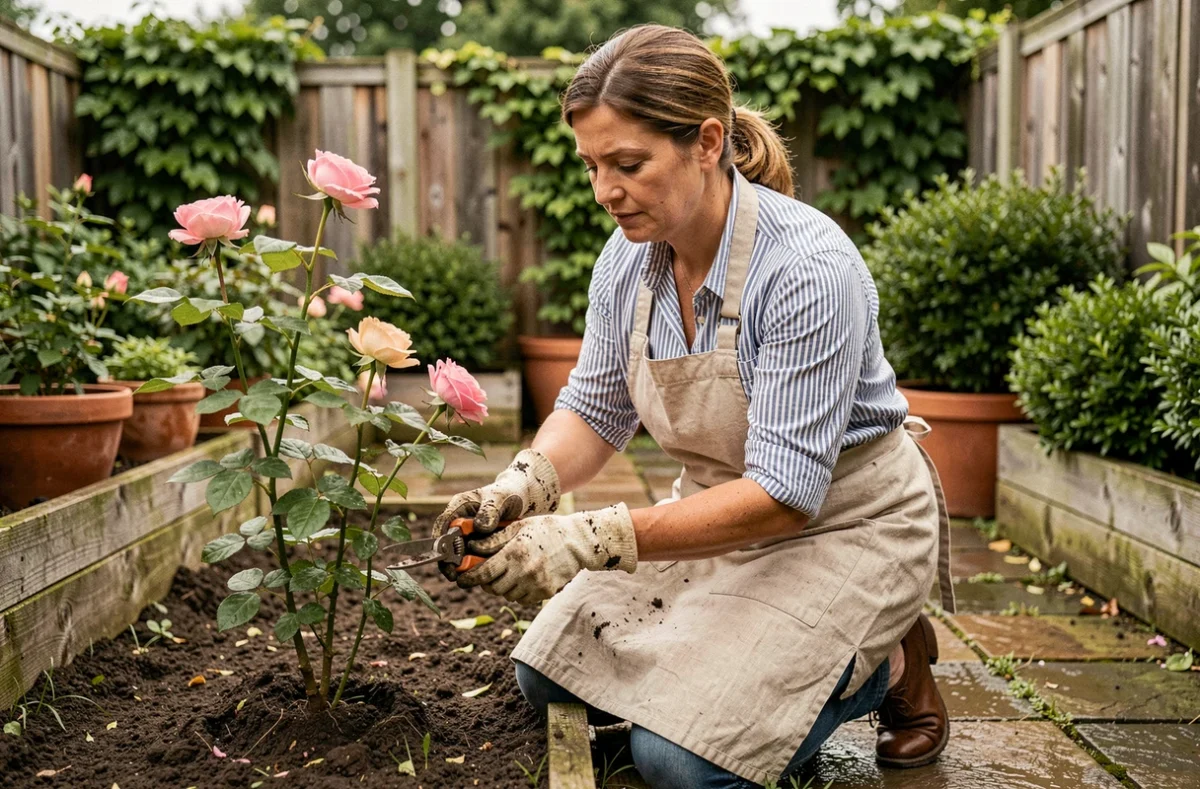
A healthy, living soil is the foundation for everything else. Before thinking about schedules or tools, the structure of the soil, its pH and its water-retention capacity determine whether your garden maintenance will succeed throughout the year. Skipping a soil analysis means treating symptoms without addressing the cause.
Soil structure and drainage: the foundation of sustainable garden maintenance
Most garden maintenance guides list seasonal tasks without ever questioning the ground they’re performed on. Compacted or waterlogged soil makes even the best fertilising programme pointless.
Before your first spring dig, test the texture of your soil. A simple test is to form a ball from a handful of damp soil: if it cracks when you squeeze it, the soil is fairly sandy and free-draining. If it stays compact and sticky, you’re working with clay soil that retains water.
Poorly drained clay soil suffocates roots in winter and hardens in summer. The solution is to regularly add organic matter (mature compost, shredded branches), which improves porosity over several seasons. The practical guides available at bon-jardinier.fr explain which soil amendments are best for each soil type.
Cerema recommends limiting impermeable surfaces in the garden and preserving permeable areas to better manage heavy rainfall and dry spells. Choosing permeable materials for paths directly benefits the health of the surrounding soil.
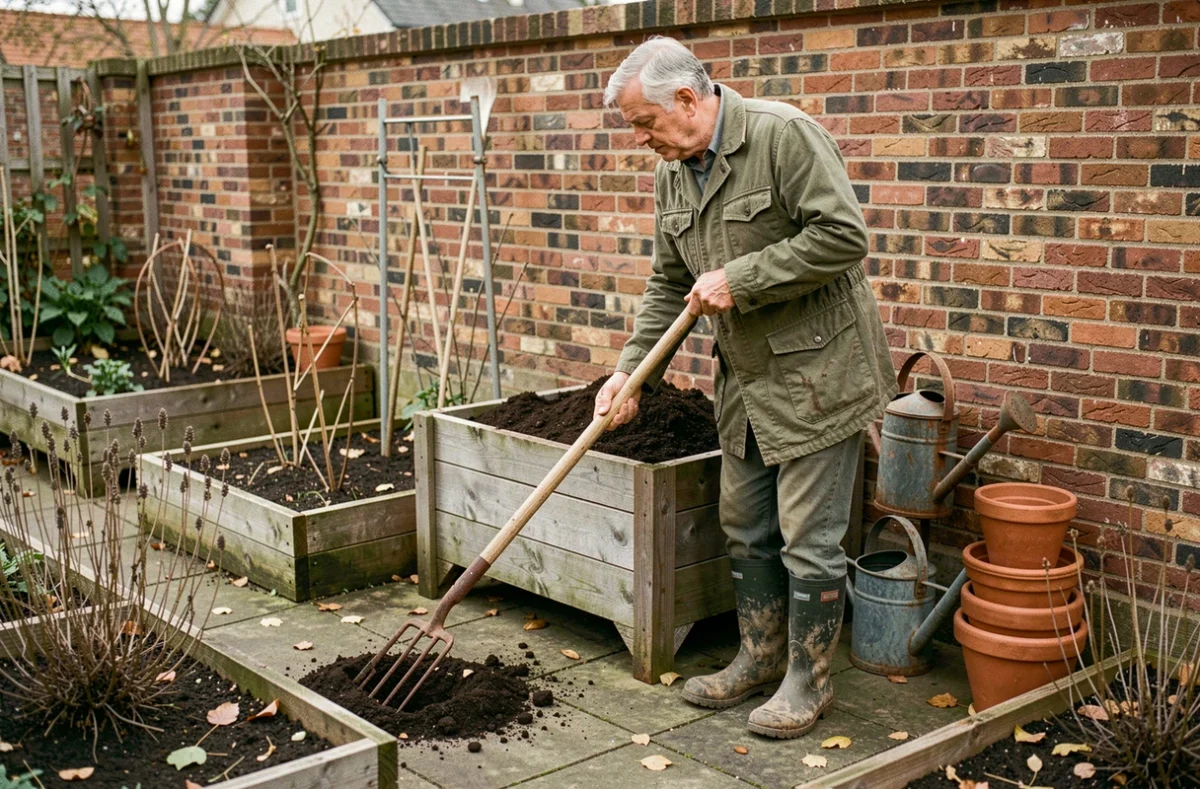
Water wisely: local restrictions and saving water in the garden
Adjusting your watering to the season is no longer enough. Droughts are becoming more frequent, and prefectural water-use restrictions can vary from one area to another, sometimes from one week to the next.
Check restrictions before watering
The public VigiEau service lets you check which restrictions apply in your municipality. During periods of restriction, watering vegetable gardens is generally still allowed, but watering lawns may be prohibited. Relying solely on a seasonal schedule could leave you facing a fine.
Use less water without sacrificing your plants
Mulching remains the most cost-effective way to reduce evaporation. A layer of organic mulch (straw, dead leaves, wood chips) retains moisture in the soil and significantly reduces how often you need to water.
- Water early in the morning or in the evening to limit evaporation, directing the water at the base of plants rather than over the foliage
- Install a drip irrigation system in flower beds and the vegetable garden: it delivers water directly to the roots with minimal waste
- Collect rainwater in a tank: an investment that pays for itself within a few seasons and lets you water independently of restrictions
- Choose plants suited to your local climate to reduce their water needs over the long term
Pruning hedges and shrubs: timing and regulations
When you prune determines how well a shrub will flower the following year. Pruning a spring-flowering shrub in autumn removes buds that have already formed. As a general rule, shrubs that flower on the previous year’s growth should be pruned just after flowering, while those that flower on the current year’s growth should be pruned in late winter.
Nesting season and OFB recommendations
There is no general nationwide ban on homeowners pruning hedges during a specific period. The French Office for Biodiversity (OFB) recommends avoiding hedge trimming during nesting season (March to August). However, destroying a nest or the eggs of a protected species is strictly prohibited under the Environmental Code.
In practice, inspect the hedge before you start. If you find an active nest, postpone pruning. This simple step protects wildlife and helps you comply with the law.
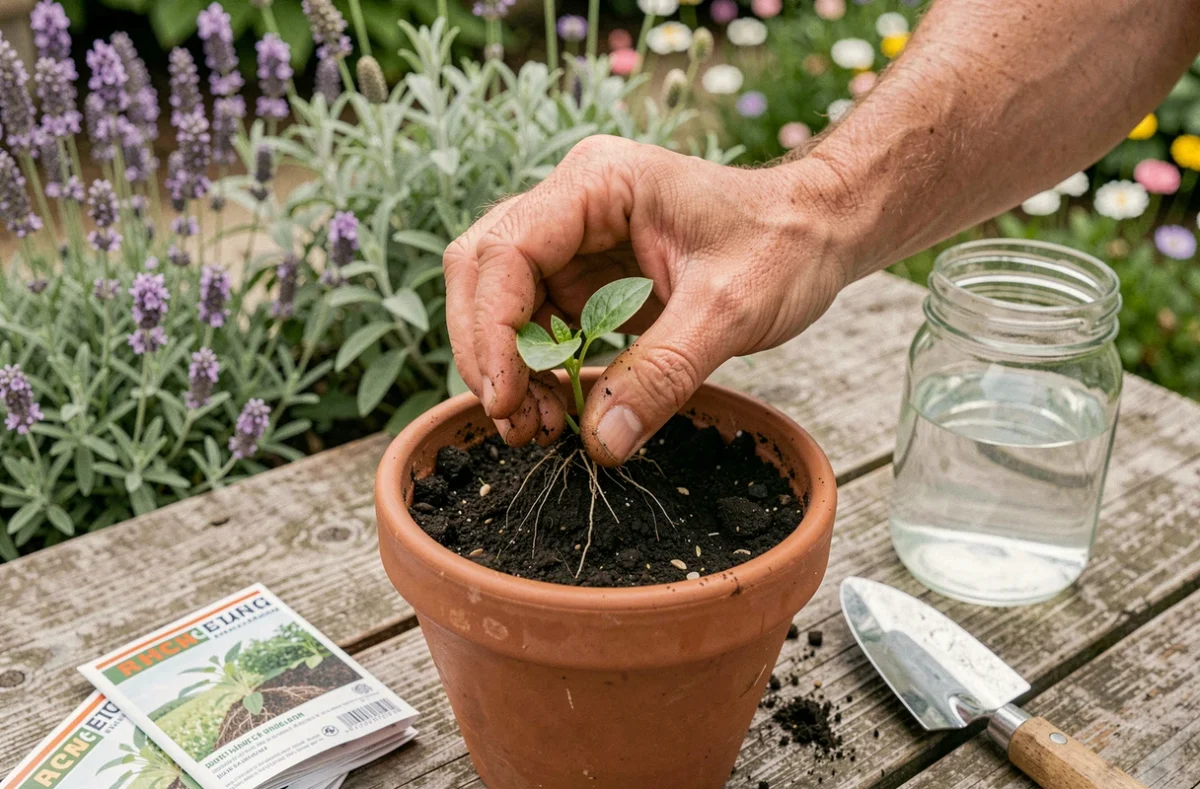
Less frequent mowing and year-round lawn care
Mowing the entire lawn to the same height every week takes time and fuel, and reduces biodiversity. Less frequent, varied mowing cuts down on mowing while creating wildlife refuges.
The OFB recommends mowing less often and managing the lawn as a mosaic: short-mown areas for activities such as playing and walking, with taller areas around the edges or beneath trees. These grassy strips attract pollinators and beneficial garden wildlife.
Lawn scarification and aeration
Scarify in early spring or early autumn to break up the layer of dead plant material that builds up on the surface. This thatch prevents water from soaking in and smothers the grass. For most lawns, one pass a year is enough.
On clay soil, follow up by aerating with a garden fork or lawn aerator. The aim is to restore airflow in the top few centimetres of soil, where lawn roots take up water and nutrients.
Vegetable gardens and flower beds: caring for your garden in winter without leaving the soil bare
Winter is not a dormant season in the garden. Leaving the soil bare from November to March exposes it to erosion, nutrient leaching and compaction from rain.
Winter ground cover protects the soil and gets it ready for spring. Sow green manure crops (mustard, phacelia, clover) as soon as the harvest is over. They capture atmospheric nitrogen, improve soil structure and can be cut down before spring sowing. Alternatively, spread a thick layer of dead leaves or shredded branches, which decompose slowly and nourish soil life.
For perennials and shrubs that are sensitive to cold, a horticultural fleece put in place before the first frosts helps limit damage without smothering the plant. We find that gardeners who consistently protect new plantings in autumn lose far fewer plants when the thaw comes.
- Mulch around roses and delicate perennials before the frosts
- Clean and sharpen pruning tools to prevent diseases spreading from one season to the next
- Drain and store garden hoses to prevent frost damage and extend their lifespan
Year-round garden maintenance rests on three practical pillars: living, well-drained soil; watering adapted to local restrictions; and pruning timed to suit plant biology. The most effective tasks are rarely dramatic. A good layer of mulch laid in October does more good than a weekend of catch-up work in April.